The G16 420C stainless steel ball is widely used in precision bearings, automotive components, industrial machinery, and instrumentation systems where accuracy, durability, and corrosion resistance are essential.
This article explores its material properties, manufacturing standards, dimensional accuracy, performance advantages, and real-world applications. It also addresses common customer concerns such as wear resistance, tolerance stability, cost efficiency, and selection criteria. By understanding how G16 grade balls perform under demanding conditions, engineers and buyers can make more informed procurement decisions and improve system reliability in long-term operations.
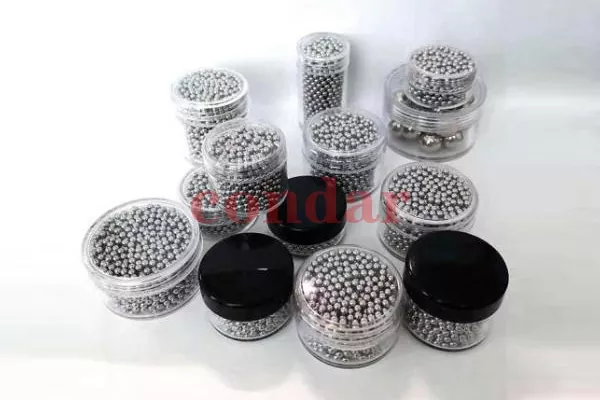
1. Overview of G16 420C Stainless Steel Ball
The G16 420C stainless steel ball is a precision-engineered spherical component manufactured from martensitic stainless steel (420C grade), designed for moderate-to-high wear resistance and controlled dimensional accuracy.
It belongs to the broader category of industrial steel balls used in mechanical systems where rolling efficiency and load distribution are essential.
In modern engineering systems, even microscopic deviations in roundness or surface finish can affect performance. That is why G16 grade balls are produced under strict tolerance controls to ensure consistency across millions of cycles in motion systems such as bearings and valve assemblies.
2. Material Composition and Metallurgical Characteristics
420C stainless steel is a high-carbon martensitic stainless steel known for its hardness and moderate corrosion resistance. Its structure allows heat treatment to achieve high strength while maintaining reasonable toughness.
-
Carbon (C): Enhances hardness and wear resistance
-
Chromium (Cr): Improves corrosion resistance and surface stability
-
Manganese (Mn): Improves strength and workability
-
Silicon (Si): Supports structural stability during heat treatment
The combination of these elements enables the G16 420C stainless steel ball to withstand friction, mechanical stress, and moderate corrosive environments such as humid air, lubricated systems, and industrial fluids.
3. What Does G16 Precision Grade Mean?
Precision grading defines how accurately a steel ball conforms to its ideal spherical shape and dimensional consistency. The “G16” classification indicates a specific tolerance range for diameter variation, surface roughness, and sphericity deviation.
In practical terms, G16 balls are suitable for applications where moderate precision is required—such as general industrial bearings, conveyor systems, and automotive assemblies—where ultra-high precision is not mandatory but reliability is still critical.
|
Grade
|
Typical Use
|
Precision Level
|
Cost Level
|
|
G10
|
Ultra-precision bearings
|
Very High
|
High
|
|
G16
|
Industrial bearings & machinery
|
High
|
Moderate
|
|
G40
|
General machinery
|
Medium
|
Low
|
4. Manufacturing Process and Quality Control
Producing a G16 420C stainless steel ball involves multiple precision-controlled stages. Each step directly affects final performance and durability.
-
Raw material selection: High-grade 420C steel rods or wires are chosen.
-
Cold heading: Steel is formed into rough spherical shapes.
-
Heat treatment: Hardening and tempering improve strength and wear resistance.
-
Grinding: Precision grinding ensures spherical accuracy.
-
Lapping: Fine surface finishing reduces roughness.
-
Inspection: Optical and mechanical measurement ensures tolerance compliance.
Advanced production lines use automated inspection systems to detect micro-deviations in diameter and roundness, ensuring every batch meets industrial requirements.
6. Industrial Applications and Use Cases
G16 420C stainless steel balls are used across a wide range of industries due to their balance of cost, durability, and precision.
-
Automotive wheel bearings and transmission systems
-
Industrial pumps and valves
-
Conveyor systems and material handling equipment
-
Precision instruments and mechanical assemblies
-
Household appliances and power tools
In each application, the steel ball acts as a load-bearing element, reducing friction and enabling smooth mechanical motion.
7. Comparison with Other Stainless Steel Ball Grades
|
Material Grade
|
Hardness
|
Corrosion Resistance
|
Application Suitability
|
|
420C
|
High
|
Medium
|
Industrial machinery
|
|
304 Stainless Steel
|
Medium
|
High
|
Food & chemical industry
|
|
440C Stainless Steel
|
Very High
|
Medium-High
|
High-precision bearings
|
Compared to 304 stainless steel, 420C offers significantly higher hardness, while maintaining sufficient corrosion resistance for most mechanical environments.
8. How to Select the Right Stainless Steel Ball
Selecting the correct steel ball involves evaluating several technical and operational parameters:
-
Required precision grade (G10, G16, G40, etc.)
-
Operating load and stress conditions
-
Environmental exposure (humidity, chemicals, temperature)
-
Lubrication conditions
-
Cost-performance balance
Engineers should prioritize durability and dimensional stability when selecting balls for high-cycle machinery to reduce maintenance costs and downtime.
9. Maintenance, Storage, and Lifespan Optimization
Proper maintenance significantly extends the lifespan of stainless steel balls. Key recommendations include:
-
Store in dry, temperature-controlled environments
-
Avoid direct contact with corrosive chemicals
-
Use appropriate lubrication in mechanical systems
-
Regularly inspect for surface wear or pitting
Even high-quality G16 balls can experience performance degradation if exposed to poor maintenance conditions.
10. Common Problems and Engineering Solutions
Problem 1: Surface Wear
Solution: Improve lubrication system and select higher hardness grade if needed.
Problem 2: Corrosion in Humid Environments
Solution: Apply protective coatings or switch to higher chromium content steel.
Problem 3: Dimensional Instability
Solution: Ensure proper heat treatment and quality-controlled sourcing.
Problem 4: Noise in Bearing Systems
Solution: Use tighter tolerance grades and improved surface finishing.
11. Frequently Asked Questions (FAQ)
Q1: What is the main advantage of G16 420C stainless steel balls?
They provide a strong balance between hardness, durability, and cost efficiency for industrial applications.
Q2: Can G16 420C balls be used in wet environments?
Yes, but they are best suited for controlled or lubricated environments rather than highly corrosive conditions.
Q3: How long do these steel balls last?
Lifespan depends on load and environment, but they are designed for long-cycle industrial use.
Q4: Are they suitable for precision instruments?
Yes, for moderate precision requirements, but not for ultra-high precision aerospace applications.
12. Conclusion and Procurement Guidance
The G16 420C stainless steel ball is a highly practical solution for industries requiring a balance between performance, cost, and durability.
Its optimized material composition, stable hardness, and controlled precision make it a reliable component in countless mechanical systems.
Choosing a trustworthy supplier is essential to ensure consistent quality and long-term performance stability in demanding applications.
Yuncheng Kangda Steel Ball Co., Ltd. specializes in manufacturing high-quality precision steel balls with strict quality control systems and advanced production technology.
If you are looking for stable supply, customized specifications, or technical consultation for industrial steel ball applications, contact us today to get professional support and competitive solutions tailored to your needs.


