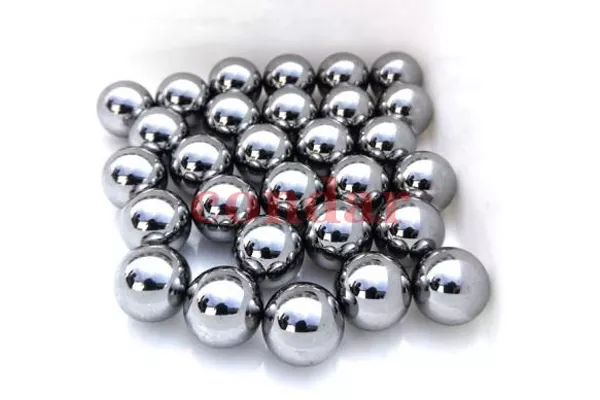
G1000 bearing steel balls are widely used in industrial machinery, automotive systems, precision instruments, and heavy-duty mechanical assemblies. This article provides a comprehensive guide to understanding G1000 bearing steel balls, including their material characteristics, manufacturing processes, performance advantages, and real-world applications. It also addresses common buyer concerns such as durability, precision consistency, load resistance, and cost efficiency. By the end of this guide, readers will gain a clear understanding of how G1000 bearing steel balls contribute to system stability and why selecting the right supplier, such as Yuncheng Kangda Steel Ball Co., Ltd., is critical for long-term operational success.
1. Introduction
In modern engineering and industrial production, precision components play a vital role in ensuring efficiency, stability, and durability. Among these components, bearing steel balls are fundamental in reducing friction and supporting load-bearing motion systems. The G1000 bearing steel ball is particularly known for its balance between affordability and functional performance in medium-precision applications.
As industries continue to demand higher reliability and cost optimization, understanding the role of G1000 bearing steel balls becomes increasingly important for engineers, procurement managers, and manufacturers.
2. What Is a G1000 Bearing Steel Ball?
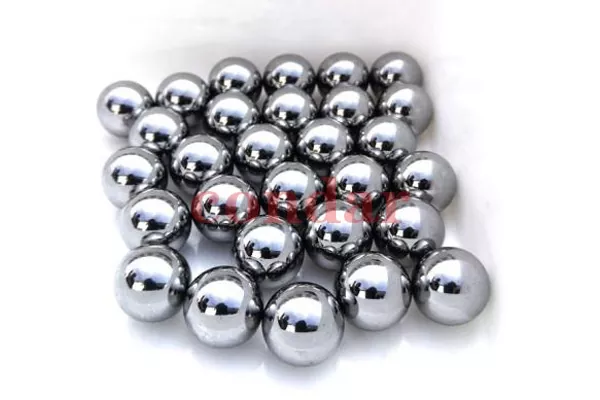
A G1000 bearing steel ball is a spherical rolling element made from high-carbon chromium steel, typically used in applications requiring moderate precision. The “G1000” refers to the grade of dimensional accuracy and surface finish tolerance.
Compared to higher-grade precision balls, G1000 steel balls are designed for applications where extreme micro-level precision is not required but mechanical durability and cost efficiency are essential.
3. Material Properties and Performance Characteristics
G1000 bearing steel balls are manufactured using high-quality alloy steel. Their properties include:
-
High hardness after heat treatment
-
Good wear resistance under continuous load
-
Stable structural integrity
-
Moderate surface finish suitable for industrial usage
These characteristics make them suitable for machinery where consistent performance is needed without requiring ultra-precision tolerances.
4. Manufacturing Process Explained
The production of G1000 bearing steel balls involves multiple precision-controlled stages:
-
Raw material selection (high-carbon chromium steel)
-
Cold heading or forging process
-
Heat treatment for hardness improvement
-
Grinding and lapping for size consistency
-
Surface polishing for smoothness
-
Final inspection and sorting
Each step is carefully controlled to ensure that the final product meets industrial performance requirements.
5. Key Industrial Applications
G1000 bearing steel balls are widely used in:
-
Automotive components (gear systems, wheel assemblies)
-
Industrial machinery (conveyors, pumps)
-
Agricultural equipment
-
Light-duty bearings
-
Hardware fittings and mechanical assemblies
6. Advantages and Performance Benefits
One of the main reasons G1000 bearing steel balls are widely adopted is their balance between cost and performance.
-
Cost-effective for mass production industries
-
Reliable performance under moderate loads
-
Good resistance to deformation
-
Suitable for non-critical precision systems
7. Precision Grades Comparison Table
|
Grade
|
Precision Level
|
Surface Finish
|
Typical Applications
|
|
G10
|
Very High
|
Ultra Smooth
|
Aerospace, precision instruments
|
|
G100
|
High
|
Very Smooth
|
High-end bearings, robotics
|
|
G1000
|
Medium
|
Standard Industrial Finish
|
Automotive, machinery, general use
|
|
G2000
|
Lower Precision
|
Rougher Finish
|
Non-critical mechanical systems
|
8. Common Industry Pain Points and Solutions
Many buyers face challenges when sourcing bearing steel balls:
-
Inconsistent quality: solved by choosing certified manufacturers
-
Premature wear: addressed through proper material heat treatment
-
Dimensional variation: minimized through strict grinding processes
-
Supply instability: resolved by long-term supplier partnerships
9. Quality Control and Inspection Standards
Quality assurance is a critical step in steel ball production. Inspection methods include:
-
Diameter measurement using micrometers
-
Surface roughness testing
-
Hardness testing (Rockwell scale)
-
Roundness and deviation analysis
Manufacturers like Yuncheng Kangda Steel Ball Co., Ltd. implement strict inspection systems to ensure consistency and reliability.
10. How to Choose the Right Steel Ball
When selecting G1000 bearing steel balls, consider the following:
-
Load requirements of your application
-
Operating environment (temperature, humidity)
-
Required precision level
-
Cost efficiency balance
11. Storage and Maintenance Guidelines
Proper storage extends the lifespan and performance of bearing steel balls:
-
Store in dry environments to prevent corrosion
-
Avoid direct contact with moisture
-
Use protective packaging during transport
-
Apply anti-rust oil if long-term storage is required
12. Industry Trends and Future Outlook
The demand for bearing steel balls continues to grow with advancements in automation, electric vehicles, and precision machinery. G1000-grade balls remain essential for cost-sensitive industries that require reliable mechanical performance.
13. Why Choose Yuncheng Kangda Steel Ball Co., Ltd.
Yuncheng Kangda Steel Ball Co., Ltd. is a professional manufacturer specializing in high-quality steel balls for industrial applications. The company focuses on precision manufacturing, strict quality control, and global supply capabilities.
-
Advanced production equipment
-
Strict quality inspection system
-
Stable supply chain support
-
Customized product solutions
14. Frequently Asked Questions (FAQ)
Q1: What is the main use of G1000 bearing steel balls?
They are mainly used in automotive systems, industrial machinery, and general mechanical assemblies requiring moderate precision.
Q2: Are G1000 steel balls suitable for high-speed applications?
They are better suited for medium-speed and load-bearing applications rather than ultra-high-speed precision systems.
Q3: How long do G1000 steel balls last?
Their lifespan depends on usage conditions, lubrication, and load intensity, but they are generally durable in standard industrial environments.
Q4: Can they resist corrosion?
They have basic resistance, but additional coating or lubrication is recommended for harsh environments.
Q5: Why is supplier selection important?
Because manufacturing consistency directly affects performance, choosing a reliable supplier ensures stable quality and long-term efficiency.
15. Conclusion and Contact Information
G1000 bearing steel balls play a crucial role in modern industrial systems by offering a reliable and cost-efficient solution for mechanical motion and load distribution. While they are not the highest precision grade available, their balance of performance and affordability makes them a preferred choice across multiple industries.
For consistent quality and professional manufacturing support, Yuncheng Kangda Steel Ball Co., Ltd. provides dependable solutions tailored to industrial needs worldwide.
If you are looking for high-quality G1000 bearing steel balls or customized steel ball solutions, please feel free to contact us. Our team is ready to support your technical requirements and business needs with professional service and reliable supply.